

Right Now

6 Reasons to See an Orthodontist Before Dental Problems Get Worse
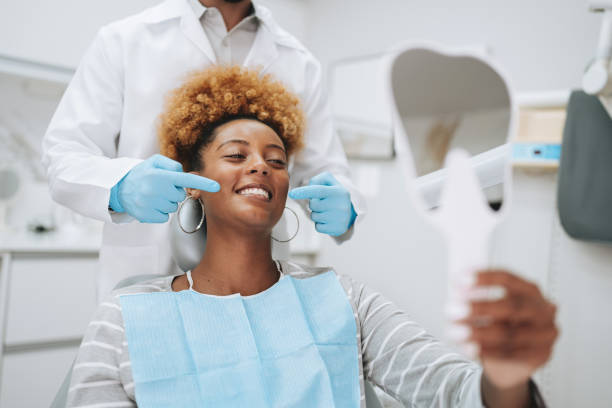
Many people think orthodontists are only for teenagers with braces. That's probably one of the biggest misconceptions about orthodontic care. The truth is that bite problems, crooked teeth, and jaw alignment issues can affect people of any age. Some people develop these concerns during childhood, while others notice them much later in life.
In many cases, orthodontic problems are more than cosmetic. Yes, crooked teeth can affect the appearance of your smile, but they can also make it harder to clean your teeth, increase wear and tear on your enamel, contribute to jaw discomfort, and even affect the way you speak or chew.
A lot of adults live with these issues for years because they assume nothing can be done or that treatment is only for younger patients. Fortunately, modern orthodontics offers more options than ever before, including traditional braces, ceramic braces, and Invisalign clear aligners.
If you've been wondering whether an orthodontic consultation is worth it, here are six important reasons why it may be one of the best decisions you can make for your oral health.
1. Crooked Teeth Can Lead to More Than Cosmetic Concerns
Crooked teeth are one of the most common reasons people schedule an appointment with an orthodontist. Some teeth may overlap. Others may rotate, stick out, or become crowded together. In some cases, large gaps develop between teeth. While many people initially seek treatment because they want a straighter smile, appearance is only part of the issue.
When teeth are crowded or poorly aligned, daily oral hygiene becomes more difficult. Even if you brush and floss regularly, certain areas may remain hard to reach.
This can lead to:
Increased plaque buildup
Higher cavity risk
Gum inflammation
Persistent bad breath
Tartar accumulation
Crooked teeth can also create uneven pressure during chewing. Certain teeth may absorb more force than they were designed to handle. Over time, this can contribute to enamel wear, tooth sensitivity, and small cracks.
An orthodontist can evaluate the position of your teeth and recommend treatment designed to gradually move them into better alignment. Straightening the teeth often improves both appearance and long-term oral health.
2. Bite Problems Can Affect Daily Life More Than You Realize
A proper bite allows your upper and lower teeth to fit together comfortably when you chew, speak, and close your mouth. When the bite is not aligned correctly, problems can develop.
Common bite issues include:
Overbite
Underbite
Crossbite
Open bite
Deep bite
Some people live with these conditions for years without realizing they have them. Others notice symptoms but don't connect them to their bite.
You may experience:
Difficulty chewing certain foods
Uneven tooth wear
Jaw fatigue
Speech difficulties
Facial muscle tension
Clicking or popping sounds in the jaw
The longer a bite problem remains untreated, the greater the chance that additional complications may develop. Orthodontists specialize in diagnosing these issues and creating treatment plans that improve the relationship between the upper and lower jaws. Correcting a bite problem often helps patients feel more comfortable during everyday activities such as eating and speaking.
3. Jaw Pain and Frequent Headaches May Be Linked to Tooth Alignment
Many people are surprised to learn that orthodontic problems can contribute to chronic discomfort. When teeth do not fit together properly, the muscles that control jaw movement often work harder than they should. This extra strain may eventually affect the jaw joints and surrounding muscles.
Some warning signs include:
Jaw soreness
Facial pain
Neck tension
Pain when chewing
Limited jaw movement
Another common issue is teeth grinding, also known as bruxism. Many people grind or clench their teeth while sleeping without realizing it. Over time, this habit can wear down enamel, increase tooth sensitivity, and create additional pressure on the jaw joints.
Although not every headache or jaw problem is caused by orthodontic concerns, an orthodontic evaluation can help determine whether your bite is contributing to the symptoms. Many patients report noticeable improvement in jaw comfort after correcting alignment problems.
4. Orthodontic Treatment Can Improve the Success of Other Dental Procedures
Orthodontic care is often part of a larger treatment plan. Before placing dental implants, crowns, bridges, or veneers, dentists sometimes recommend orthodontic treatment to create a healthier foundation. For example, when a tooth is missing, neighboring teeth often begin shifting toward the empty space. This movement can make future implant placement more challenging.
Other situations where orthodontic treatment may help include:
Creating space for dental implants
Correcting tooth positioning before veneers
Improving bite balance before restorative work
Preventing excessive pressure on crowns or bridges
Without proper alignment, even high-quality dental work may not function as efficiently as intended. Orthodontists frequently work alongside general dentists, cosmetic dentists, and oral surgeons to create comprehensive treatment plans that support both function and appearance. Addressing alignment issues first can often improve long-term treatment outcomes.
5. A Straighter Smile Can Improve Confidence and Quality of Life
For many people, this is the reason that finally motivates them to seek orthodontic treatment. Your smile plays a major role in how you interact with others. If you're unhappy with your teeth, you may find yourself covering your mouth when you laugh, avoiding photographs, or smiling less often than you would like. These feelings are more common than many people realize.
A straighter smile can help improve:
Self-confidence
Social comfort
Professional interactions
First impressions
Overall satisfaction with appearance
Modern orthodontics offers several treatment options that are more discreet than the metal braces many adults remember from childhood.
Depending on your needs, treatment may involve:
Traditional metal braces
Ceramic braces
Clear aligners
Other customized orthodontic appliances
Because treatment options have become more flexible, many adults who previously avoided orthodontic care now feel comfortable pursuing it. Patients often describe the benefits as extending far beyond appearance. They feel more confident speaking, smiling, and interacting with others after treatment is complete.
6. Early Evaluation Can Prevent More Serious Problems Later
One additional reason to visit an orthodontist is simple: early detection. Even if you are not sure whether you need treatment, an evaluation can identify small problems before they become larger ones. Minor alignment issues may gradually worsen over time. Teeth can continue shifting throughout adulthood. Bite imbalances can place increasing stress on the jaw and surrounding structures.
An orthodontist can identify:
Developing bite problems
Crowding that may worsen
Excessive tooth wear
Jaw alignment concerns
Areas that may require future monitoring
Not every patient needs immediate treatment. Sometimes periodic observation is all that's required. But having professional guidance allows you to make informed decisions rather than waiting for symptoms to become more severe.
More Posts

Map
Amelia Grant
Get DirectionsAmelia Grant
-
31-57 37th St
Long Island City, New York 11103
United States - 6462709836
Report This Post
Please complete the following requested information to flag this post and report abuse, or offensive content. Your report will be reviewed within 24 hours. We will take appropriate action as described in Findit terms of use.
