

Right Now

Heartburn After Every Meal? Understanding GERD, Common Triggers, and Effective Relief Options
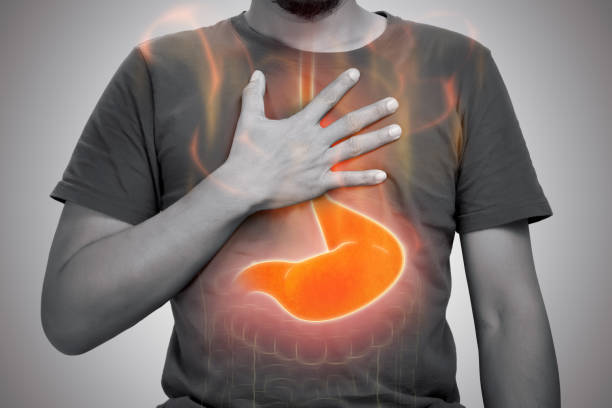
Some meals deserve a standing ovation. Others leave you wondering why a perfectly innocent sandwich suddenly feels like it's trying to breathe fire. You push your chair back, sip some water, maybe loosen your waistband a little, and promise yourself you'll eat differently tomorrow. Sound familiar? If that burning sensation keeps showing up after meals, your digestive system might be trying to get your attention instead of simply complaining about lunch.
Occasional acid reflux happens to almost everyone. But when it becomes a regular guest at the dinner table, it's worth understanding what's really going on and what can actually help.
Why GERD Keeps Coming Back
GERD, or gastroesophageal reflux disease, develops when stomach acid repeatedly flows back into the esophagus. Normally, a ring of muscle at the bottom of the esophagus acts like a reliable security guard, opening to let food in and closing afterward. Sometimes that guard gets a little lazy.
When the muscle doesn't close completely, acid escapes upward, irritating the delicate lining of the esophagus. That's what creates the familiar burning sensation many people know all too well.
Experiencing heartburn once after a particularly spicy dinner isn't unusual. When it happens several times a week, however, it may signal GERD rather than an isolated episode. Over time, repeated irritation can lead to inflammation and other complications if left untreated.
Everyday Triggers That Might Surprise You
Spicy foods usually get all the blame, but they're hardly the only suspects.
Fatty meals, chocolate, peppermint, tomatoes, citrus fruits, onions, coffee, alcohol, and carbonated drinks can all trigger reflux in certain people. Large portions don't help either. Sometimes it's less about what you eat and more about how much lands on your plate.
Timing matters too. Lying down immediately after dinner gives stomach acid an easier path upward, almost like tilting a glass too far. Eating late at night may create the same problem.
Body weight, pregnancy, smoking, and certain medications can also contribute by increasing pressure on the stomach or relaxing the lower esophageal sphincter. Everyone's trigger list looks a little different, which explains why one person happily enjoys pizza while another regrets it before dessert arrives.
Small Changes That Can Make a Big Difference
The encouraging news is that many people notice improvement through simple lifestyle adjustments.
Eating smaller meals throughout the day often reduces pressure inside the stomach. Waiting at least two or three hours before lying down gives digestion a helpful head start. Raising the head of the bed slightly may reduce nighttime reflux without requiring dramatic changes.
Keeping a food journal sounds old-fashioned, yet it's surprisingly effective. Patterns appear that would otherwise go unnoticed. Maybe coffee isn't the issue after all. Maybe it's the combination of coffee, a rushed breakfast, and skipping lunch.
People trying to reduce heartburn often discover that consistency beats perfection. One balanced habit repeated daily usually accomplishes more than a week of strict rules followed by a weekend of overeating.
When Home Remedies Aren't Enough
Antacids can provide quick relief for occasional symptoms, while other medications reduce acid production or help the esophagus heal. These treatments are often very effective, but choosing the right one depends on how often symptoms occur and what's causing them.
If reflux continues despite lifestyle changes, wakes you during the night, causes difficulty swallowing, unexplained weight loss, chest pain, persistent coughing, or vomiting, it's time to consult a healthcare provider. Those symptoms deserve proper evaluation rather than another bottle of over-the-counter medicine.
Doctors may recommend additional testing to confirm GERD and rule out other conditions with similar symptoms. Having clear answers usually feels much better than endlessly guessing.
Giving Your Digestive System A Little Grace
Our stomachs quietly handle thousands of meals over a lifetime. That's impressive when you think about it.
Sometimes they simply need a little cooperation instead of constant challenges involving oversized portions, rushed lunches, and midnight snacks. No guilt required. Just awareness.
If heartburn has become such a familiar companion that you barely notice it anymore, consider that your body may be asking for attention rather than demanding perfection. Listening early often makes treatment simpler and helps prevent bigger problems later.
More Posts


Map
Amelia Grant
Get DirectionsAmelia Grant
-
31-57 37th St
Long Island City, New York 11103
United States - 6462709836
Report This Post
Please complete the following requested information to flag this post and report abuse, or offensive content. Your report will be reviewed within 24 hours. We will take appropriate action as described in Findit terms of use.
