

Right Now

Paint Protection Film - When Is It Time For Correction
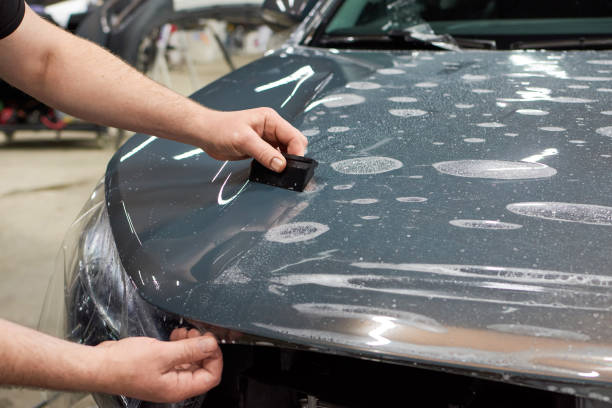
Paint protection film (PPF) has become one of the most popular ways to preserve a vehicle's appearance. Designed to protect painted surfaces from rock chips, road debris, bug splatter, minor scratches, and environmental contaminants, PPF serves as a transparent barrier between a vehicle's paint and the elements. High-quality films can last for years while helping maintain a vehicle's value and showroom appearance.
However, despite its durability, paint protection film is not completely immune to wear and tear. Over time, exposure to sunlight, weather conditions, contaminants, and everyday driving can affect the film's appearance and performance.
What Is PPF Correction?
PPF correction refers to professional procedures aimed at restoring the appearance of the film without necessarily replacing it.
Depending on the condition of the film, correction may involve:
Deep cleaning;
Decontamination treatments;
Removal of stains;
Surface polishing (when appropriate);
Restoration of gloss;
Treatment of minor imperfections.
The goal is to improve the film's appearance and maximize its remaining lifespan.
Signs Your PPF May Need Attention
Vehicle owners often assume that visible deterioration means the film must be removed immediately. However, some issues can be corrected if addressed early.
Loss of Gloss
One of the first signs of aging film is reduced clarity and shine.
The surface may begin to appear:
Dull;
Hazy;
Cloudy;
Less reflective.
Contamination, oxidation, and environmental exposure can all contribute to this appearance.
Surface Staining
Even premium films can develop stains over time.
Common causes include:
Bird droppings;
Bug residue;
Hard water spots;
Tree sap;
Road grime.
If contaminants remain on the film for extended periods, they may leave visible marks.
Embedded Contamination
Sometimes contaminants become bonded to the film's surface.
You may notice:
Rough texture;
Small dark spots;
Reduced smoothness.
Professional decontamination procedures can often restore a cleaner and smoother finish.
Self-Healing Properties No Longer Seem Effective
Many modern PPF products feature self-healing technology.
Minor scratches often disappear when exposed to:
Heat;
Warm water;
Sunlight.
If light scratches persist despite normal self-healing conditions, the film may require professional evaluation.
In some cases, contamination or surface damage prevents the self-healing layer from functioning properly.
Yellowing of the Film
Older generations of PPF were known for yellowing over time.
Modern films have improved significantly, but discoloration can still occur under certain conditions.
Potential causes include:
UV exposure;
Chemical contamination;
Aging materials;
Lower-quality film products.
Mild discoloration may sometimes be improved through corrective treatments, but significant yellowing often indicates that replacement should be considered.
Edge Discoloration and Dirt Buildup
Film edges naturally attract dust and contaminants.
Over time, vehicle owners may notice:
Darkened edges;
Visible dirt accumulation;
Reduced transparency around seams.
If contamination has migrated beneath the film, correction may be limited.
When Correction Is Not Enough
While correction can address many cosmetic concerns, some situations require replacement.
Peeling Edges
Once film edges begin lifting significantly, contamination and moisture can enter beneath the film.
This often leads to:
Adhesion failure;
Additional lifting;
Reduced protection.
Minor lifting may be repairable, but widespread edge failure usually requires replacement.
Deep Physical Damage
PPF is designed to absorb impacts.
Correction may not be sufficient, if the film has sustained:
Deep cuts;
Tears;
Punctures;
Severe abrasions.
Damaged sections often need to be replaced to restore full protection.
Adhesive Failure
As PPF ages, the adhesive layer may deteriorate.
Signs can include:
Bubbling;
Separation;
Distortion;
Uneven appearance.
Adhesive-related issues typically cannot be corrected through cleaning or polishing alone.
How to Delay the Need for Correction
Preventive maintenance can significantly extend the life of Paint Protection Film.
Recommended practices include:
Regular hand washing;
Prompt removal of bird droppings;
Avoiding harsh chemicals;
Parking in covered areas when possible;
Using PPF-safe maintenance products;
Periodic professional inspections.
Consistent care helps preserve both appearance and protective performance.
The bottom line
Paint protection film is designed to shield your vehicle from everyday damage, but it still requires maintenance over time. Loss of gloss, staining, contamination, reduced self-healing performance, and minor cosmetic imperfections are often signs that professional correction may be beneficial. Addressing these issues early can restore the film's appearance and help extend its lifespan.
More Posts

Map
Amelia Grant
Get DirectionsAmelia Grant
-
31-57 37th St
Long Island City, New York 11103
United States - 6462709836
Report This Post
Please complete the following requested information to flag this post and report abuse, or offensive content. Your report will be reviewed within 24 hours. We will take appropriate action as described in Findit terms of use.
