

Right Now

Future Factories: How VR Will Reshape Manufacturing in the Next Decade
Virtual Reality (VR) isn’t a passing trend in manufacturing—it’s becoming one of the core building blocks of what experts are calling the “future factory.” Over the next decade, industrial VR will transform how companies design, build, and maintain operations. It will also serve as a key enabler for predictive maintenance, robotics, and AI-driven decision-making.
At the center of this shift are companies like XRINK, creating custom immersive solutions that help manufacturers transition toward Industry 4.0 and, ultimately, more sustainable, resilient operations.
The Growth of Immersive Tech in Smart Factories
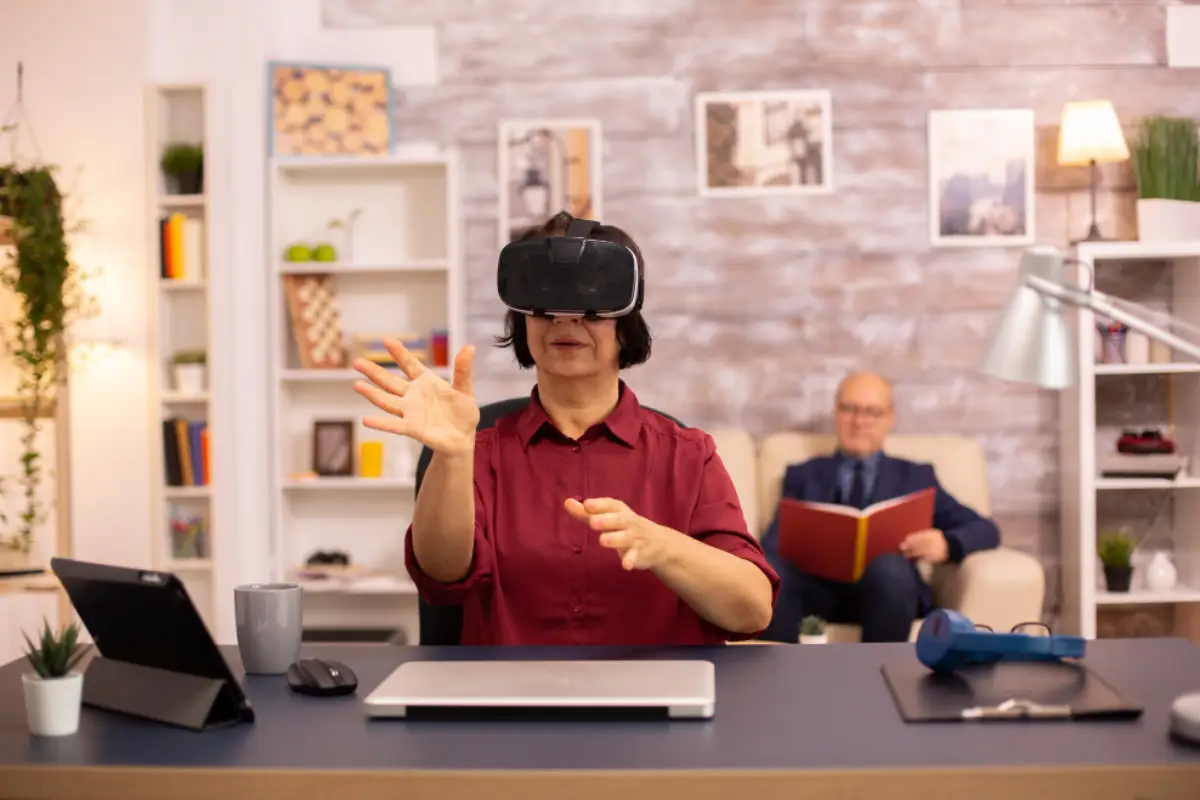
Imagine being able to step into a factory from your desk—examining production lines, testing workflows, and spotting bottlenecks before the first machine is even turned on. That’s the promise of Immersive Industry XR, platforms blending VR and augmented reality to create digital manufacturing environments that look and feel real.
In the next decade, more factories will use these immersive systems to test and optimize production processes virtually. The result? Less waste, faster time to market, and processes designed with sustainability in mind from day one.
Digital Twins: From Visualization to Resilience
One of the standout trends is the rise of digital twins—virtual replicas of machines, production lines, or even entire plants. With XR-enhanced digital twins, engineers can monitor equipment in real time, identify issues early, and run predictive models before disruptions occur.
But it’s more than just visualization. Digital twins are becoming the backbone of resilience, helping companies adapt to challenges like supply chain volatility and labor shortages. In the next wave of Industry 4.0, immersive XR platforms will be a requirement, not a luxury, for companies that want to stay competitive and sustainable.
Predictive Maintenance Through Virtual Walkthroughs
Downtime remains one of the most expensive problems in manufacturing, costing billions globally each year. VR is reshaping the way companies approach predictive maintenance.
Picture this:
A maintenance engineer puts on a headset and walks through a virtual replica of the factory floor.
Sensor and IoT data feed into the simulation, highlighting areas of concern.
The engineer inspects a conveyor belt that looks worn, while AI algorithms predict when it will fail.
The system triggers an alert for proactive repair—before any real disruption occurs.
In industries like automotive and aerospace, early pilots of VR-driven predictive maintenance are already reducing costs by up to 30%. Just as important, they’re lowering environmental impacts by reducing the need for unnecessary replacement parts.
AI + VR: The Next Manufacturing Power Duo
Artificial Intelligence (AI) will play a central role in bringing VR-powered factories to life. Over the next decade, AI will enhance industrial VR by:
Predicting outcomes during plant simulations, providing decision-makers with clearer options.
Personalizing VR training modules, tailoring scenarios to each worker’s skills and learning style.
Improving robotics, allowing robots in VR to “learn” from human interaction and translate that knowledge into greater autonomy on the shop floor.
Together, VR and AI form the backbone of smart, adaptive ecosystems. Factories will be able to forecast resource needs more accurately, reduce emissions, and increase overall sustainability.
More Posts


Report This Post
Please complete the following requested information to flag this post and report abuse, or offensive content. Your report will be reviewed within 24 hours. We will take appropriate action as described in Findit terms of use.
