

Right Now

Advantages and Disadvantages of Dental Veneers
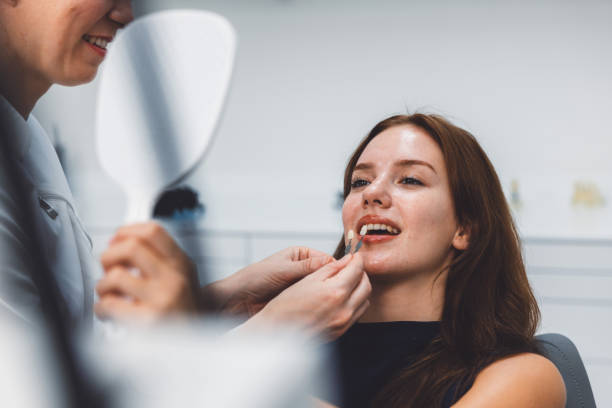
A smile is one of the first things people notice about a person. Healthy, aesthetically pleasing teeth boost self-confidence, facilitate social interactions, and enhance overall impression. Modern dentistry offers numerous solutions for correcting teeth, among which dental veneers have gained particular popularity. These are thin shells bonded to the visible surface of the teeth to improve their color, shape, and alignment.
Despite their significant aesthetic impact, the decision to get dental veneers should be carefully considered. Any dental procedure requires a precise diagnosis and a consultation with a specialist. This article analyzes the main advantages and disadvantages of veneers, as well as the essential points to consider before consulting a dentist.
Advantages of dental veneers
The application of aesthetic dental veneers offers numerous advantages, making it one of the most popular methods in cosmetic dentistry.
Impeccable aesthetics and a natural look
Modern ceramic materials perfectly mimic the light transmission and texture of natural enamel. Thanks to color and shape customization, your smile will be harmonious and natural.
Fast correction of imperfections
Veneers allow you to quickly conceal many aesthetic imperfections:
Permanent stains, yellowing, or dark discoloration of the enamel
Flakes, cracks, and irregularities on the tooth surface
Gaps (diastema and tremolo)
Slight curvature or irregular shape of the teeth
Resistance to discoloration
Ceramic has a smooth, non-porous structure. Unlike natural enamel or composite materials, it doesn’t absorb pigments from coffee, tea, red wine, or tobacco smoke and retains its original color throughout its lifespan.
Durability and resistance
With proper care and by following the dentist's recommendations, high-quality ceramic veneers can last 10 to 15 years or even longer, while remaining reliable and aesthetically pleasing.
High biocompatibility and safety for gums
Ceramic and porcelain materials are characterized by excellent compatibility with body tissues. They do not cause allergic reactions or palate or gum irritation. Since the edge of a quality veneer doesn’t damage the gums, the surrounding soft tissues remain healthy, minimizing the risk of inflammation or bad breath with proper hygiene.
Disadvantages and risks of the procedure
Despite its high effectiveness, this procedure has characteristics and limitations that are important to understand beforehand.
Irreversibility of the process
The placement of most dental veneers requires the removal of a thin layer of enamel (0.3 to 0.7 mm). This removal allows the veneer to have a natural appearance and avoids excessive bulk. Since the removed enamel is not restored, the tooth will need to be protected later with a veneer or crown.
Increased tooth sensitivity
After preparation (removal of the superficial enamel layer), teeth may become temporarily or permanently more sensitive to hot, cold, or sweet foods and drinks.
High cost
The quality of the materials, the use of modern digital equipment, and the high level of expertise of the dentist make microprostheses a relatively expensive procedure. Moreover, in the event of damage or detachment, repair of the veneer is generally impossible; a complete replacement at a dental office is then necessary.
Contraindications
Dental veneers are not a universal solution. The main contraindications are:
Bruxism (unconscious teeth grinding during sleep), which can lead to veneer detachment
Significant malocclusion or absence of chewing teeth
Advanced periodontal disease (periodontitis, gingivitis) and untreated cavities
Significant destruction of the tooth itself (in this case, a crown is recommended)
The bottom line
The placement of dental veneers is an effective solution for achieving an aesthetic smile and correcting visible defects in the teeth. However, it's important to remember that this is a significant orthodontic procedure that requires tooth grinding and careful aftercare.
Before making a decision, it's essential to consult an experienced dentist. Only a specialist will be able to assess the condition of your oral cavity, rule out any contraindications, and choose the optimal restoration method that will preserve the health and beauty of your teeth for many years to come.
More Posts


Report This Post
Please complete the following requested information to flag this post and report abuse, or offensive content. Your report will be reviewed within 24 hours. We will take appropriate action as described in Findit terms of use.
