


Right Now

Worldwide Enzymes for Biofuels Market: Strategic Trends and Commercial Opportunities
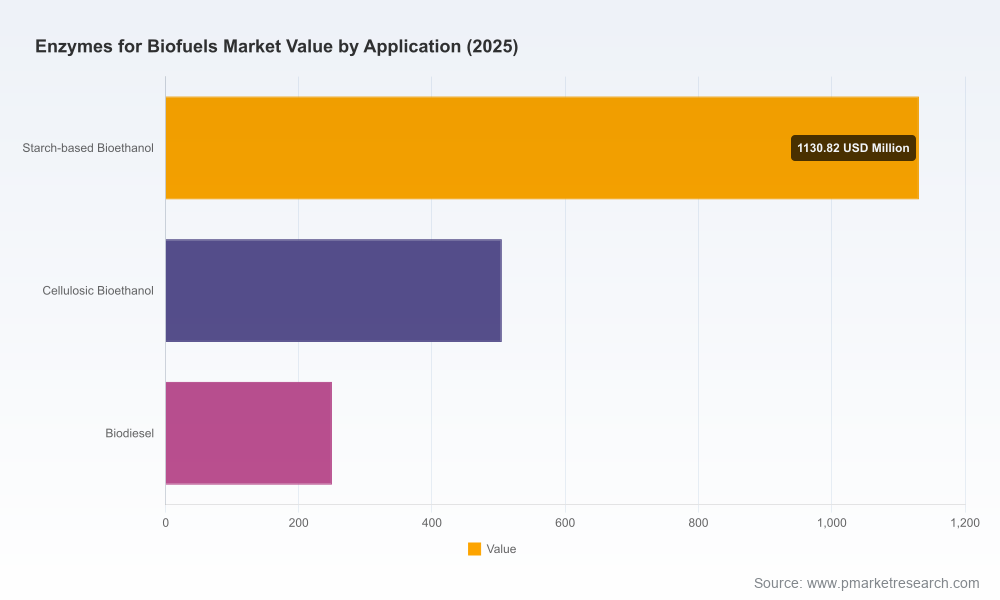
The global market for enzymes used in biofuel production is undergoing a structural transformation. After navigating several years of feedstock volatility and technology maturation cycles, the industry is now positioned for sustained expansion. Valued at approximately USD 1,885.5 million in 2025 and projected to reach USD 2,931.88 million by 2032, the market reflects a compound annual growth rate of 6.51% over the 2026–2032 forecast period. This trajectory signals more than incremental demand growth; it points to a fundamental reshaping of how biological catalysts are integrated into renewable fuel value chains. For executives, investors, and procurement leaders, understanding the forces behind this expansion is essential to positioning portfolios, supply contracts, and R&D budgets for the next decade.
Market Landscape and Critical Inflection Points
The enzymes for biofuels market has evolved from a niche additive business into a core enabling technology for renewable fuel production. Historical performance from 2020 through 2025 shows a market that expanded steadily despite disruptions in agricultural commodity markets and shifts in energy policy pacing. The 2024–2025 period marked a clear recovery and acceleration, with revenue crossing the $1.8 billion threshold as production schedules normalized and advanced biofuel projects moved from pilot to commercial scale. Looking ahead, the forecast period through 2032 indicates consistent upward momentum, though the growth profile is unlikely to be uniform across all technology pathways or feedstock categories.
Two structural inflection points are defining the current market environment. First, the industry is navigating a transition from first-generation starch-based processes toward second-generation cellulosic and advanced biofuel pathways. This shift is not merely a feedstock substitution; it requires fundamentally different enzyme systems, higher loadings in some cases, and more complex process integration. Companies that have built capabilities around lignocellulosic hydrolysis and biomass conversion are gaining strategic relevance, while those optimized solely for conventional starch liquefaction face pressure to broaden their technological portfolios.
Second, the market is experiencing a consolidation wave that is reshaping competitive dynamics. M&A activity, portfolio rationalization, and the exit or repositioning of smaller players are concentrating capabilities among organizations that can deliver integrated enzyme solutions, technical service, and process optimization support. This concentration creates both opportunities and risks: buyers benefit from more comprehensive solutions and potentially stronger R&D pipelines, but they also face a narrower supplier base and reduced bargaining leverage in certain procurement categories.
A third, more subtle challenge lies in the cost structure of enzyme manufacturing itself. Industrial enzyme production relies heavily on fermentation feedstocks derived from glucose and other starches, with raw material inputs typically representing a significant portion of total manufacturing expenses. Fluctuations in agricultural commodity prices, particularly corn and related feedstocks used for glucose production, can directly influence enzyme pricing and margin stability. This cost sensitivity is compounded by competing demand from food, industrial bioprocessing, and other biofuel sectors, creating periodic pressure points that require proactive supply chain management and formulation flexibility.
Enzyme for Pulp & Paper Market
Key Demand Drivers and Structural Shifts
Technological Innovation and Process Integration
Enzyme performance continues to be a primary lever for improving biofuel economics. Advances in protein engineering, directed evolution, and formulation science have enabled suppliers to deliver catalysts with higher specific activity, improved stability under harsh process conditions, and reduced sensitivity to inhibitors commonly found in lignocellulosic hydrolysates. These improvements translate directly into faster reaction rates, lower enzyme loadings, and better overall yield outcomes. Equally important is the shift toward integrated enzyme and process design. Leading providers are no longer selling standalone enzyme products; they are offering workflow-level support that includes feedstock preprocessing recommendations, hydrolysis optimization, and co-product yield management. This systems-level approach increases the value proposition for producers who need to maximize throughput and minimize operational variability.
Policy Frameworks and Renewable Fuel Mandates
Regulatory and policy environments remain a powerful demand catalyst. In the United States, the Environmental Protection Agency has established Renewable Fuel Standard volume requirements for 2026 and 2027, including adjustments to cellulosic biofuel volumes. These mandates sustain demand for enzyme systems that support advanced biofuel pathways, particularly those targeting cellulosic feedstocks. Beyond U.S. boundaries, global policy targets for biofuel blending and transportation decarbonization continue to drive adoption of cellulases and related biocatalysts for lignocellulosic ethanol. Policy certainty, even when phased or adjusted over time, provides the investment signal that producers need to commit capital to advanced facilities and enzyme procurement contracts.
PW Consulting
Demand-Side Evolution in Fuel and Co-Product Markets
Demand for biofuels is being shaped by a combination of decarbonization commitments, energy security considerations, and the economics of co-product utilization. Ethanol producers are increasingly focused not only on fuel output but also on the value of distiller’s grains, captured carbon, and other process outputs. Enzyme selection influences these outcomes by affecting fermentation efficiency, residue composition, and downstream separation requirements. At the same time, corporate procurement teams in the transportation and industrial sectors are setting renewable content targets that ripple back through the supply chain, reinforcing demand for certified renewable fuels and the enabling technologies that make them commercially viable.
Supply Chain Sensitivity and Cost Structure Dynamics
The cost structure of enzyme supply remains a critical consideration for biofuel producers. Raw material inputs for enzyme fermentation, particularly glucose derived from corn and other starches, represent a substantial share of manufacturing expenses. Volatility in agricultural commodity markets can therefore cascade into enzyme pricing, especially when competing demand from food and other industrial applications tightens feedstock availability. This dynamic makes supplier diversification, long-term pricing frameworks, and formulation flexibility important risk management tools. Enterprises that can secure stable feedstock access, optimize fermentation yields, and offer adaptable enzyme blends are better positioned to maintain competitive pricing through commodity cycles.
Competitive Landscape and Strategic Positioning
The competitive environment in enzymes for biofuels is characterized by a mix of established multinational life science companies, specialized enzyme manufacturers, and technology-focused developers. The market exhibits significant concentration, with the top three players accounting for a substantial share of industry revenue and the top five players representing a dominant portion of total market activity. This concentration reflects the reality that scale, R&D depth, regulatory experience, and global service infrastructure create meaningful barriers to entry, particularly for complex second-generation enzyme systems.
Novonesis, formerly known as Novozymes, operates from Bagsværd, Denmark, and maintains a leading position as a provider of enzymes and yeast for starch-based and fiber-based ethanol production. Its portfolio spans liquefaction, saccharification, and biomass conversion solutions, with a clear emphasis on maximizing yields and reducing carbon footprint in biofuel production. The company’s strategic advantage lies in its broad application expertise, integrated product offerings, and established relationships across major ethanol-producing regions.
Lallemand Biofuels & Distilled Spirits, headquartered in Montreal, Canada, supplies high-performance industrial enzymes such as Alcolase and Spartec for grain processing and ethanol production. A significant strategic move occurred in mid-2024, when Lallemand acquired BASF’s bioenergy enzymes business in San Diego, including the Spartec product portfolio and related technologies in development for fuel ethanol production. This acquisition strengthened Lallemand’s offerings for bioethanol fuel and co-product yields, illustrating how targeted M&A is being used to accelerate capability expansion and market reach.
DuPont, through its Industrial Biosciences activities now associated with IFF, is based in Wilmington, Delaware, and develops enzyme solutions such as Accellerase for lignocellulosic biomass hydrolysis, alongside starch processing enzymes tailored for efficient biofuel production from corn and cellulosic feedstocks. Its differentiation stems from a long-standing focus on biomass conversion science and a product lineage that addresses both conventional and advanced feedstock pathways.
AB Enzymes GmbH, based in Darmstadt, Germany, specializes in industrial enzymes, including those for starch and biomass conversion in ethanol production. DSM-Firmenich, with operations spanning Heerlen, Netherlands, and Kaiseraugst, Switzerland, provides enzymes for biofuel production, including contributions to lignocellulosic ethanol and starch-based processes, and is active in biosolutions for bioenergy. Both organizations leverage European industrial biotechnology expertise and a broad application base that extends beyond biofuels, creating cross-market synergies in enzyme discovery and manufacturing.
Advanced Enzyme Technologies Ltd., located in Thane, India, offers a range of carbohydrases and other enzymes used in bioethanol and biofuel manufacturing from starch and lignocellulosic sources. Its positioning reflects the growing importance of regionally based manufacturers that can compete on cost, responsiveness, and localized technical support. Iogen Corporation, based in Ottawa, Canada, develops and supplies cellulase and hemicellulase enzymes for cellulosic ethanol and advanced biofuel production from biomass, maintaining a focused expertise in second-generation conversion technologies.
TransBioDiesel Ltd., based in Israel, concentrates on lipase enzymes for enzymatic biodiesel production via transesterification, offering alternatives to chemical catalysts. Enzyme Supplies Limited, operating in the United Kingdom, provides customized enzyme formulations for first- and second-generation biofuel feedstocks, including maize, sugar beet, and lignocellulosic materials for bioethanol. Codexis, Inc., headquartered in Redwood City, California, develops engineered enzymes for biofuel processes, including improved cellulases and other biocatalysts for biomass-to-sugar conversion, leveraging its directed evolution platform to address specific performance gaps.
Enzymes For Fuel Ethanol Market
Additional players such as Amano Enzyme Inc. in Nagoya, Japan, which supplies lipases and other enzymes applicable to biodiesel and bioethanol processes, and Agrivida Inc. in the United States, which develops enzyme technologies integrated into feedstocks or processes for enhanced ethanol yields from biomass, illustrate the breadth of approaches in the market. Some companies compete on formulation customization and regional service, while others emphasize enzyme engineering platforms or feedstock-integrated solutions. This diversity creates a dynamic environment where differentiation is increasingly tied to technical service, process integration, and the ability to support producers through feedstock transitions.
The competitive landscape is evolving along three clear trends. First, consolidation is accelerating as larger players acquire specialized portfolios to broaden their technology coverage and geographic reach. Second, differentiation is shifting from product-only competition to solution-level value creation, where enzyme performance, technical support, and process optimization are bundled together. Third, new entrants and regionally focused manufacturers are carving out niches by offering cost-competitive formulations, rapid customization, and localized support, particularly in markets where feedstock characteristics and processing conditions vary significantly from global averages.
Forward-Looking Trends and Strategic Implications
Accelerating Adoption of Advanced Cellulosic Pathways
Over the next three to five years, the most consequential trend will be the continued scaling of enzyme systems designed for cellulosic and advanced biofuel pathways. Policy mandates that include cellulosic volume requirements, combined with producer efforts to diversify feedstocks and improve sustainability profiles, will drive demand for cellulases, hemicellulases, and integrated hydrolysis solutions. The commercial opportunity here lies not only in volume growth but also in higher-value technical engagements, where enzyme suppliers collaborate with producers on feedstock evaluation, pretreatment compatibility, and process optimization. Enterprises that can demonstrate reliable performance across diverse biomass types and operating conditions will capture disproportionate value as advanced facilities move into full commercial operation.
Solution-Level Competition and Portfolio Integration
The market is likely to see a continued shift from transactional enzyme sales toward integrated solution partnerships. Producers will increasingly expect suppliers to contribute to yield improvement, operational consistency, and co-product optimization, rather than simply delivering an enzyme formulation. This trend favors organizations that can combine enzyme technology with application expertise, data-driven process recommendations, and responsive technical service. For buyers, the implication is that supplier selection should weigh total cost of ownership, process reliability, and the depth of technical collaboration alongside unit pricing. For suppliers, the imperative is to invest in application engineering, customer-facing analytics, and long-term partnership models that lock in value beyond the initial sale.
Feedstock- and Cost-Resilient Supply Models
Given the sensitivity of enzyme manufacturing costs to agricultural commodity inputs, supply chain resilience will become a more explicit competitive factor. Expect greater emphasis on feedstock diversification, fermentation efficiency improvements, and pricing structures that share or mitigate commodity risk between suppliers and producers. Regional manufacturing footprints, strategic inventory management, and flexible formulation strategies will help both sides manage volatility. The commercial opportunity lies in contracts and partnerships that align incentives around yield, cost stability, and operational continuity, rather than treating enzyme procurement as a purely price-driven commodity purchase.
These trends carry inherent uncertainties. Policy pacing may shift if energy market conditions or political priorities change, affecting the speed of advanced biofuel deployment. Feedstock price volatility can compress margins and alter procurement timing. Technology performance claims must withstand real-world operating variability across diverse feedstocks and plant configurations. Participants should therefore build flexibility into planning, maintain scenario-aware procurement strategies, and prioritize suppliers and partners that can demonstrate consistency under changing conditions.
Actionable Guidance for Decision Makers
Strategic Recommendations by Audience
- For biofuel manufacturers and producers: Prioritize enzyme partnerships that extend beyond product supply into process optimization and co-product yield management. Evaluate suppliers on total value delivered, including hydrolysis efficiency, operational consistency, and support for feedstock transitions. Incorporate commodity-risk considerations into procurement planning, and explore pricing frameworks that provide greater stability through agricultural cycles.
- For investors and market participants: Focus on organizations with credible capabilities in second-generation enzyme systems, integrated solution offerings, and demonstrated ability to scale through consolidation or targeted acquisitions. Monitor policy-driven demand signals, particularly mandates that sustain cellulosic and advanced biofuel volumes, as these shape the growth trajectory for higher-value enzyme applications. Assess exposure to feedstock cost sensitivity and the extent to which potential investments have mitigation strategies in place.
- For procurement and supply chain leaders: Diversify supplier exposure where feasible, but balance diversification against the need for technical depth and integration support. Develop long-term frameworks that align enzyme performance expectations with plant operating realities, and include scenario planning for feedstock price movements and policy adjustments. Treat enzyme selection as a strategic input to overall plant economics rather than an isolated purchasing decision.
The Value of Deep, Current Intelligence
Navigating this market effectively requires more than headline growth figures. Detailed segmentation insights, regional demand patterns, application-level volume dynamics, and company-level capability assessments all matter when translating market direction into concrete decisions. Up-to-date intelligence on pricing structures, technology adoption curves, policy milestones, and competitive moves enables more precise planning for capacity allocation, R&D prioritization, and supplier selection. For organizations that need to benchmark specific segments, evaluate entry opportunities, or stress-test procurement strategies against multiple scenarios, a comprehensive research resource can provide the granularity required to move from general direction to actionable execution.
Accessing Detailed Market Intelligence
PW Consulting maintains a dedicated research suite on the worldwide enzymes for biofuels market, offering detailed segmentation data, competitive profiling, regional demand analysis, and scenario-based projections that extend beyond the strategic overview presented here. For executives and teams that need to ground their decisions in granular data and customized analysis, the full report provides the depth necessary to validate assumptions, compare alternatives, and build resilient strategies for the 2026–2032 period. Readers interested in exploring the complete dataset and tailored recommendations can access the full study through PW Consulting’s market intelligence portal.
For detailed analysis of this topic, please visit the official page: Worldwide Enzymes for Biofuels Market
Lacy Lee
Senior Marketing Manager
sales@pmarketresearch.com
00852-95632430
PW Consulting: www.pmarketresearch.com
More Posts


Report This Post
Please complete the following requested information to flag this post and report abuse, or offensive content. Your report will be reviewed within 24 hours. We will take appropriate action as described in Findit terms of use.
